
Should you pack before or after listing?
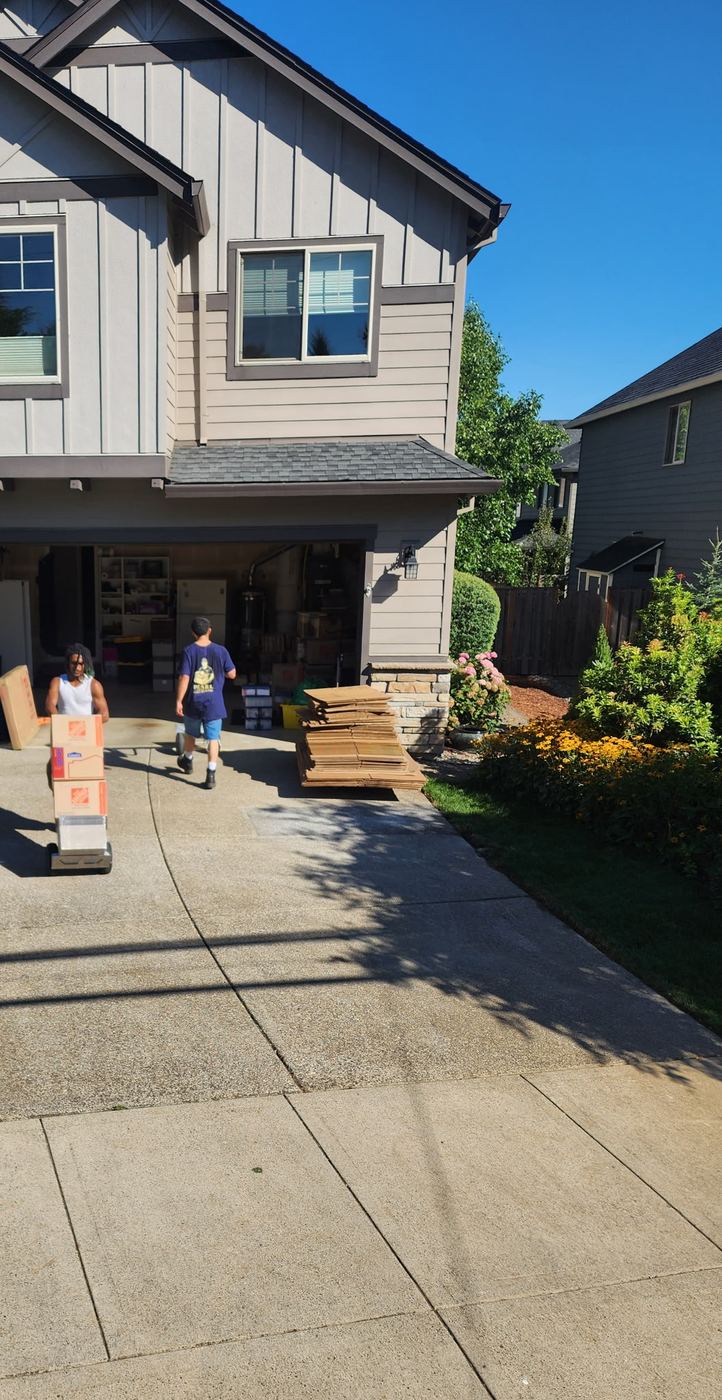
Before, for most of it. The pre-listing pack is the same job as staging: fewer things on shelves, emptier closets, a garage buyers can walk through. Off-season clothes, books, framed photos, the craft room, the second set of dishes, the holiday bins. None of that helps sell the house, and all of it has to be packed eventually. Doing it first means the listing photos show rooms instead of belongings, and the last two weeks before the move are lighter.
Put the packed boxes somewhere that does not undo the staging. A neat stack along one garage wall with a clear walking path is fine. A spare bedroom full of cartons is not. If the house is small, a storage unit for the listing period solves both problems at once, and those boxes can be picked up from storage on move day. The declutter checklist is worth doing in the same pass, because everything that leaves now is volume nobody carries later.
Keep inspection access clear while you pack. Buyers' inspectors want the electrical panel, the furnace, the water heater, the attic hatch, and the crawl space, and in older Portland houses the basement is often where boxes pile up first. The basement prep guide covers the stairs; for the listing, just make sure nobody has to move a wall of boxes to reach the panel.
Which date should the move be built around?
The purchase agreement usually names two dates that matter to a mover: closing, when the sale records and funds move, and possession, when the buyer gets the keys. They can be the same day or days apart. Read the possession line with your agent before you book anything, because that date is the real deadline for an empty house.
Build the move for possession day or a day or two before it, not for closing day. Closings slip for ordinary reasons: a lender condition, a title question, a signature that did not arrive. A move booked for closing day then has two bad options, loading a truck with nowhere to take it or holding a crew that is already scheduled. When the mover knows both dates from the start, a slip is a phone call rather than an emergency. If it does happen, the delayed closing guide walks through the options.
A rent-back changes the math. If the buyer has agreed to let you stay for a period after closing, the move date is the end of the rent-back, and the house has to be empty by then. Put that date in the moving request in writing.
How do showings and a move share one house?
Between listing and an accepted offer, the house has to show well on short notice, so packing stays in the background. Pack whole categories rather than a little of everything, so each room either looks finished or looks empty on purpose. Keep the kitchen working and the beds made. Buyers forgive an uncluttered closet; they notice a hallway of boxes.
Once the offer is accepted and the inspection and appraisal are behind you, the house no longer has to impress anyone, and packing can speed up. That is the stretch to finish the rooms you use least, confirm the date with the mover, and sort out anything that is not coming. The room-by-room packing checklist is a good order to work in.
Plan the final days around the buyer's final walk-through, which usually happens shortly before closing. The house should be in whatever condition the agreement calls for by possession. If you want the crew gone well before the walk-through, say so when you book.
What if the next home is not ready?
Sellers often have a gap. The next purchase closes later, the new construction slipped, or the plan is to rent for a while before buying again. The gap does not have to decide the sale; it decides the shape of the move.
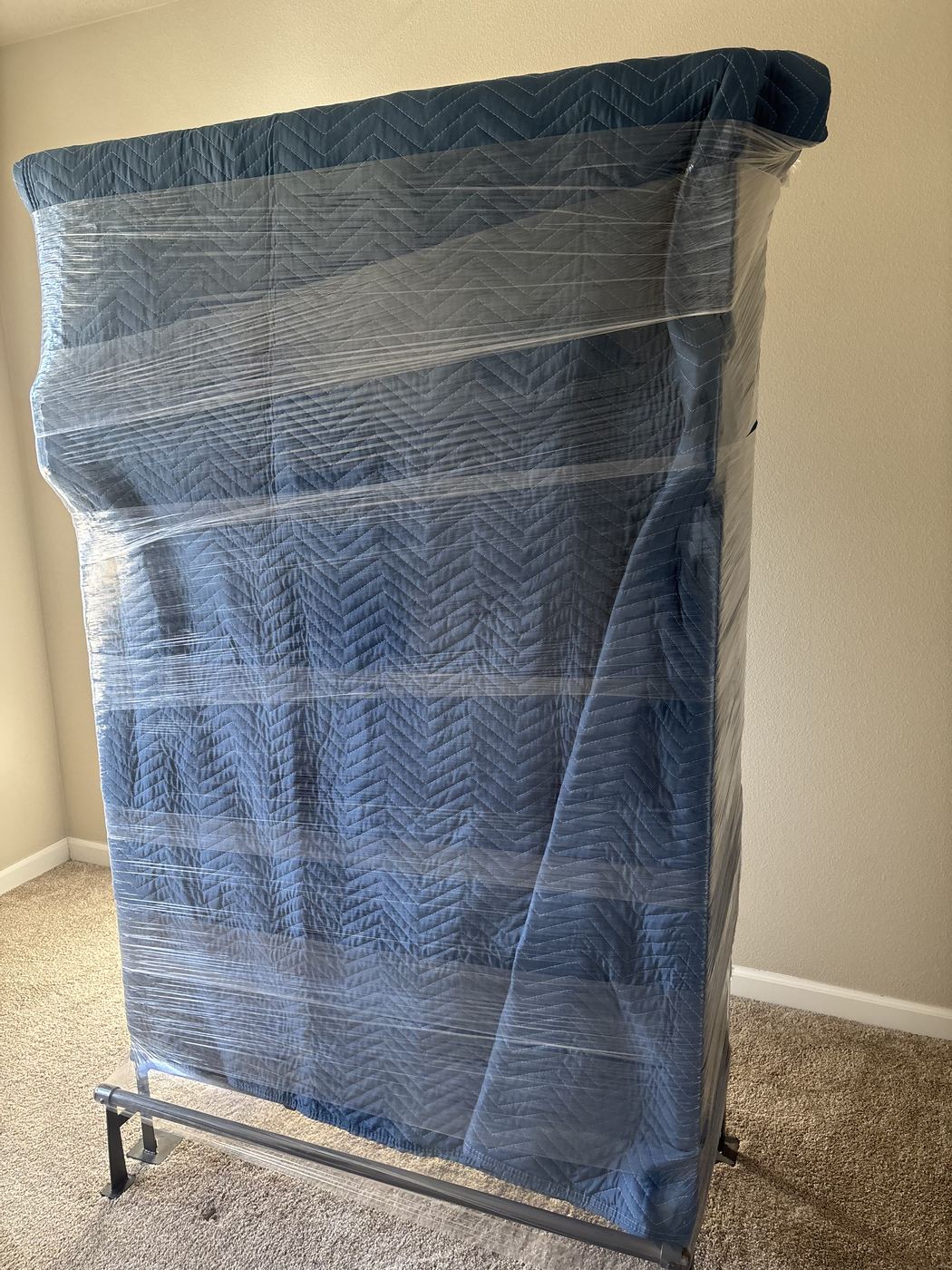
The two common shapes are a storage stop and a short-term stay. With storage, the household goes from the old house into a unit, then from the unit into the next home. Load the unit with the things you will want first nearest the door, and pack what you need for the gap into your own car. The storage-between-homes guide covers how that two-stage move runs, and the storage solutions page explains how Pearl Movers plans a storage stop into the job. With a short-term rental, a partial move takes what you need to the rental and sends the rest to storage.
Decide which shape you are using when the offer is accepted, not the week of closing. Storage units near the destination fill up in busy months, and a two-stage move is quoted as two moves.
What stays with the house?
The purchase agreement lists what conveys with the property, and it is usually more than people remember. Attached light fixtures, window coverings, wall-mounted brackets, and sometimes the refrigerator, washer, and dryer. If something attached to the house is coming with you, it has to be listed as excluded and handled before the listing, not unscrewed on move day.
Tell the mover what is staying. A crew packing a garage will take the shelving unless someone says the shelving stays. Put a simple "stays" note on anything ambiguous, and add a line to the inventory for it. If appliances are going with you, the appliance prep guide covers disconnecting and drying them out the day before.
A 7-item sell-and-move checklist
- Pack off-season and rarely used items before the listing photos, and store the boxes out of the way.
- Keep the panel, furnace, water heater, attic, and crawl space reachable for inspectors.
- Read the closing and possession dates in the signed agreement with your agent.
- Book the mover for possession day or a day or two before, and give them the closing date too.
- Decide on storage or a short-term stay as soon as the offer is accepted.
- Mark everything that conveys with the house, and tell the mover what stays.
- Leave the house in the condition the agreement calls for before the buyer's final walk-through.
Where Pearl Movers fits
Book the move around the possession date
Pearl Movers plans sell-and-move jobs from the dates in the agreement and the access at both ends. Share the closing date, the possession date, both addresses, and whether there is a storage stop, and the quote will reflect the move you actually have rather than the one on the listing calendar.
See how local moving works, plan a longer move out of Portland, or request a quote once the agreement is signed.
Common questions
Selling and moving FAQs
Should I move out before listing my house?
Not necessarily. Many sellers stay and pack what they will not need, which also makes the house show better. Moving out first makes showings easier but means paying for two places or for storage. It depends on your finances and how flexible your next home is.
Can I schedule movers on closing day?
You can, but it is risky. Closings can slip by a day or more for lender or title reasons, and the buyer usually takes possession on the date in the agreement. Planning the move a day or two before possession, with the mover told the closing date, leaves room.
What should I leave in the house for the buyer?
Whatever the purchase agreement says conveys with the property, which often includes attached fixtures and sometimes appliances. Read the inclusions and exclusions with your agent, then tell the mover what is staying so nothing attached to the house gets packed.
What if I need storage between selling and buying?
Plan it when the offer is accepted, not the week of closing. A storage stop can be built into the move, with the items you will need first loaded nearest the door. Share both addresses and the storage location in the quote request so the two stages are planned together.
Planning references
Official and authoritative sources used
Permit, parking, construction, and access rules can change. Confirm current requirements with the responsible city, county, property manager, association, or service provider before move day.