

Interstate is a different legal world
The moment your shipment is bound for another state, the move falls under federal regulation. Interstate household goods movers must hold operating authority from the Federal Motor Carrier Safety Administration, and you can check any company yourself in the FMCSA household goods mover search. That lookup takes a few minutes and tells you whether the company is registered to do the work it is quoting.
Federal rules also require the mover to give you written estimates and a copy of the handbook called Your Rights and Responsibilities When You Move. If a company quoting an interstate move never mentions either one, be wary.
The distinction that trips up the most people is broker versus carrier. A carrier owns trucks and does the work. A broker sells your move to someone else, and the crew that shows up may be a company you have never heard of. Both models can operate legally. Even so, ask each company whether it is the carrier that will perform the move or a broker, and get the answer in writing before you sign.
One boundary worth knowing: a long move that stays inside Oregon, such as Portland to Bend or Portland to Medford, is not federal. Intrastate moves are governed by the state through ODOT's household goods moving program, which has its own rules and its own mover lookup.
How long-distance pricing is structured
A local move is essentially a crew and a truck billed by the hour. A long-distance move is priced differently.
The inventory anchors everything. What goes on the truck determines the weight or the volume of the shipment, and that figure carries most of the price. The distance drives the linehaul, which is the cost of transporting the shipment between states. Services such as packing, unpacking, or storage in transit add scope on top of the transport itself.
This structure explains why a careful video survey or an in-home survey produces a reliable estimate and a sight-unseen quote so often ends in a dispute. A company that has never seen your home is guessing at your weight. When the guess is low, the argument happens at the destination, with your belongings on the truck.
Federal rules recognize two kinds of estimates, binding and non-binding, and they behave differently when the shipment is weighed. Ask which one you are being given, and make sure the estimate itself says so, since a phone answer is hard to hold anyone to later. Pearl Movers scopes long distance moving requests from the full inventory for exactly this reason.
Delivery windows and why they exist
Long-haul trucks rarely carry a single household. They consolidate shipments and deliver along a route, which is why your paperwork will usually state a delivery spread of dates rather than a single appointment. The window comes from the economics of long-distance transport, and a company that promises an exact interstate delivery date without qualification should make you skeptical.
Plan the window the way you would plan a short storage gap. Keep a survival kit with you: documents, medications, chargers, basic kitchen and bathroom items, and bedding for each person. The first-night box checklist covers what belongs in that kit in detail.
Before the truck leaves Portland, confirm how the driver will contact you as delivery approaches and what happens if you miss the window. If you cannot be at the destination when the truck arrives, the answer usually involves storage and additional handling. Ask how that works before departure so you are not learning it from a voicemail.
The paperwork that protects you
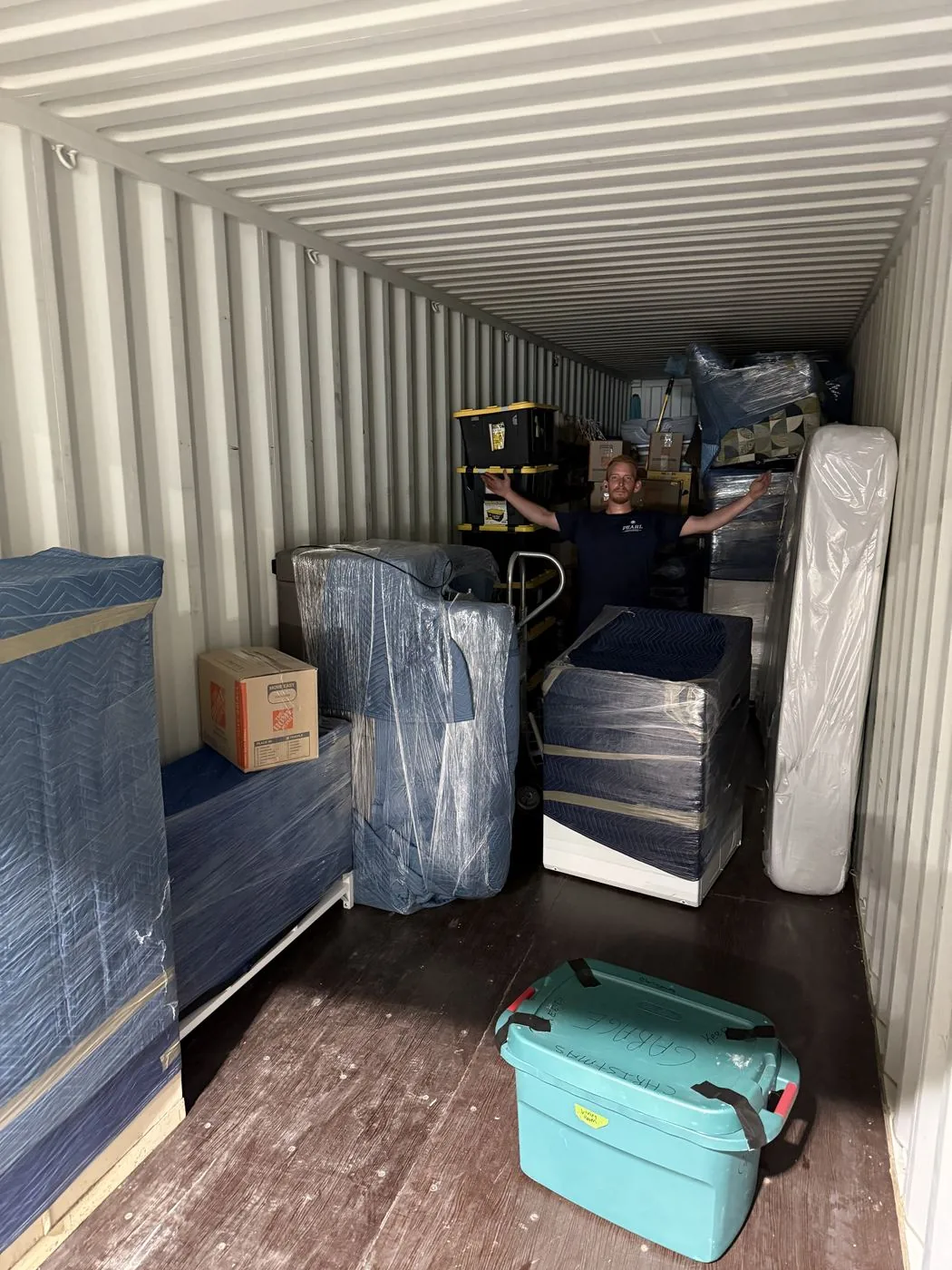
Four documents do most of the protective work on an interstate move. The written estimate states the expected price and whether it is binding. The order for service confirms the dates and services you agreed to. The bill of lading is the contract of carriage, and you should read it before the truck is loaded. The inventory lists what went on the truck, with condition notes, and it is the document a claim lives or dies on.
Then there is the valuation choice. Valuation sets the carrier's level of liability for your goods, which is a different thing from an insurance policy. Federal rules require interstate movers to offer two levels. Full value protection is the default on interstate moves. Released value costs nothing extra but, according to FMCSA rules, pays only 60 cents per pound per article if you select it in writing, which means a heavy dresser is covered better than a light television regardless of what either is worth. The valuation coverage guide walks through both options and when each makes sense.
Before loading day, photograph anything of high value. If you ever need to file a claim, timestamped condition photos give you something firmer to point to than anyone's memory.
How to compare long-distance movers
Comparing interstate quotes is mostly a matter of refusing shortcuts. Verify every company you are considering, including Pearl Movers, in the FMCSA search yourself. When you read reviews, look past the star average for repeat complaints, because a company can keep a strong rating while complaints about held shipments or destination price changes repeat underneath it.
Be suspicious of the quote that lands far below the others. In a pricing model built on weight and distance, a dramatically lower number usually means a lower assumed weight, and the correction arrives when your goods are already on the truck. Large cash deposits deserve the same suspicion. And get the carrier versus broker answer in writing, because so much of what follows depends on who has custody of your belongings.
There is also a quieter advantage worth weighing. The loading day happens here, in Portland, and a local company can plan it in person: the access, the parking, the stairs, the building rules at your Portland address. Those are risks you can do something about, provided someone plans the origin end carefully.
Planning the Portland end
However far the destination is, loading day is still a local logistics problem. The truck needs a legal place to stand as close to the door as possible. Stairs, elevators, and long carries need to be known before the crew arrives, while there is still time to plan around them. In wet months, furniture needs weather wrap between the door and the truck, which takes time worth planning for.
If you are driving the route yourself with the pets, the plants, and the survival kit, check conditions before you commit to a departure day. ODOT's TripCheck covers Oregon road and pass conditions, which matter more than people expect on eastbound and southbound routes outside of summer.
A seven-item long-distance checklist
- Verify each company's operating authority in the FMCSA household goods search before requesting a quote.
- Confirm in writing whether each company is a carrier or a broker.
- Insist on a survey, video or in-home, and get a written estimate marked binding or non-binding.
- Read the rights handbook the mover is required to provide, before signing anything.
- Choose your valuation level deliberately and put the selection in writing.
- Photograph high-value items and review the inventory condition notes at loading.
- Build the survival kit, keep it with you, and confirm the driver contact plan for the delivery window.
Where Pearl Movers fits
Scope the move from both ends
Pearl Movers scopes long-distance requests from both addresses, the full inventory, the flexibility of the dates, and the access at the destination as well as the origin. An estimate built from that information is one you can compare with confidence. Bring the same questions to Pearl that this guide recommends for any company, including the federal lookup, and expect straight answers.
Review long distance moving or request a quote with both addresses, the inventory, and any date flexibility included.
Common questions
Long-distance moving FAQs
How is a long-distance move priced differently from a local move?
A local move is usually billed as a crew and truck working by the hour. A long-distance move is priced from the inventory, the weight or volume that inventory produces, the distance, and any added services such as packing or storage in transit. That is why the accuracy of the inventory matters more than anything else in a long-distance quote.
What is a delivery window?
A delivery window is a spread of dates during which the carrier delivers, rather than a single appointment. Long-haul trucks consolidate shipments and deliver along a route, so the paperwork states a range. Plan for the gap the way you would plan a short storage gap, and keep your essentials with you instead of on the truck.
What is the difference between a moving broker and a carrier?
A carrier owns trucks, employs crews, and performs the move itself. A broker sells your move and arranges for another company to perform it. Both can operate legally, but you should know which one you are dealing with, in writing, before you sign anything, because it determines who actually shows up and who is responsible for your goods.
Do interstate movers have to give written estimates?
Yes. Federal consumer rules enforced by the FMCSA require written estimates for interstate household moves, and the mover must also provide the federal rights handbook. Ask whether the estimate is binding or non-binding, because both types exist under the rules and they behave differently at the destination.
What should I keep with me instead of putting on the truck?
Documents, medications, keys, chargers, valuables, and a first-night kit with basic kitchen, bathroom, and bedding items for each person. Anything you cannot function without during the delivery window should stay with you.
Planning references
Official and authoritative sources used
- FMCSA Your Rights and Responsibilities When You Move
- FMCSA household goods mover search
- FMCSA valuation and insurance guidance
- ODOT Household Goods Moving
- ODOT TripCheck road conditions
Permit, parking, construction, and access rules can change. Confirm current requirements with the responsible city, county, property manager, association, or service provider before move day.