
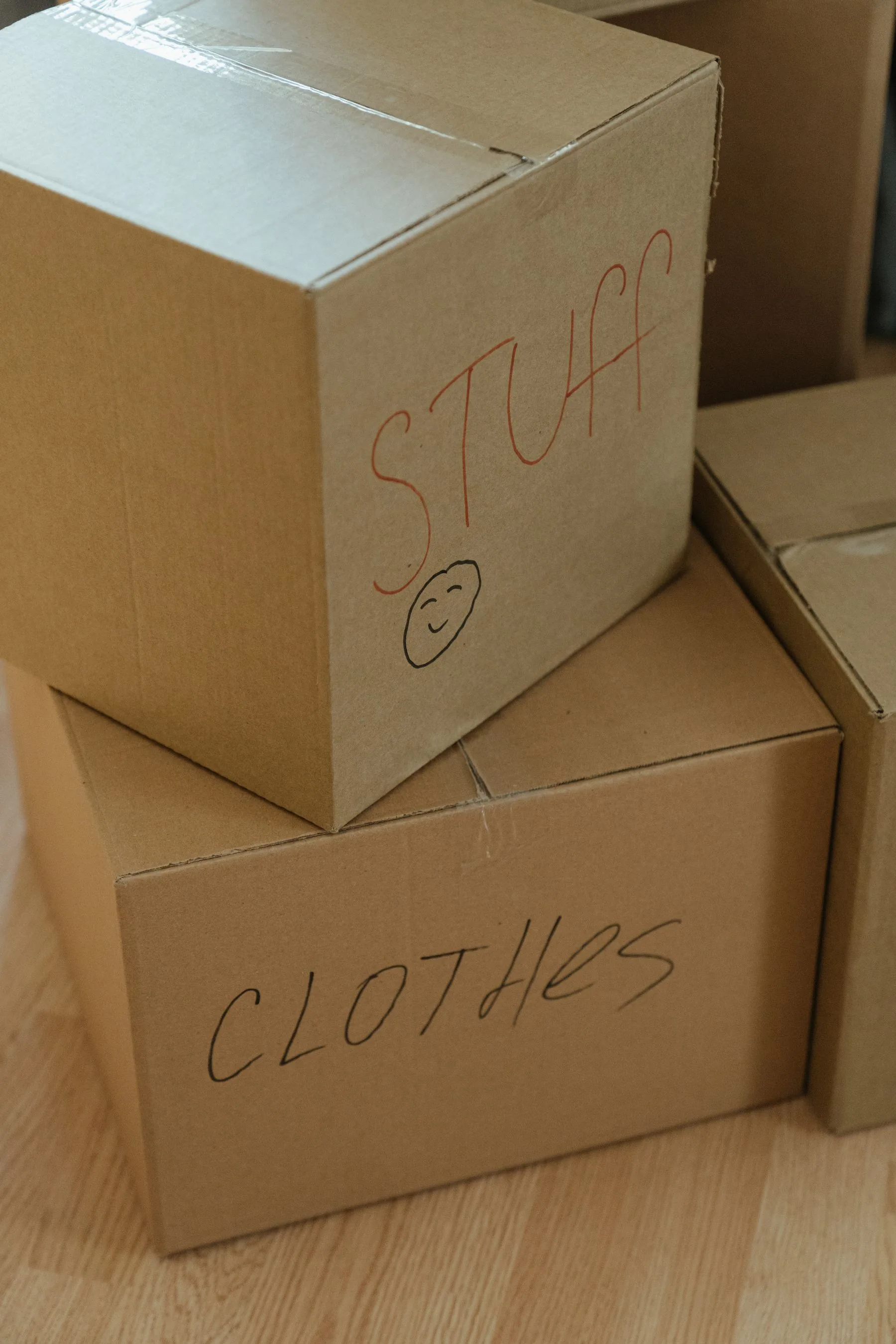
Do not pack one giant essentials box
One large box becomes difficult to carry and easy to bury. Split the first-night system into five clearly labeled parts:
- Owner document bag: Never leaves the responsible adult.
- Personal overnight bags: One per household member.
- Household setup tote: Shared basics for the first evening and morning.
- Pet or child kit: Separate enough to use without opening household boxes.
- Cleaning and tool tote: Only ordinary, safe items appropriate for owner transport.
Use a bright label or tape color that does not appear on ordinary boxes. Tell the household and mover that these items are not part of the general load.
Owner document bag
Keep these items together and private:
- Identification and wallets.
- Origin and destination keys, fobs, and garage controls.
- Closing, lease, or property handoff documents.
- Medication and medical essentials.
- Insurance and emergency contact information.
- Utility, parking, elevator, and building confirmations.
- Mover contact and the current move record.
- Phones, small devices, and critical chargers.
- Jewelry, irreplaceable items, and sensitive records.
Do not write access codes on the outside of the bag. Do not send passwords, identity numbers, or financial details to the mover.
Personal overnight bag for each person
Pack as if an ordinary overnight trip may extend into the next day:
- Clothing and sleepwear.
- Weather-appropriate outer layer.
- Shoes and socks.
- Toiletries.
- Towel.
- Eyeglasses or contact supplies.
- Necessary medical devices and chargers.
- Work or school items needed the next morning.
- Comfort items for children.
For a Portland rainy-day move, include a dry clothing change and keep wet gear separate. The moving in Portland rain guide explains how to create a destination recovery zone.
Household setup tote
Pack enough to make one bathroom, one sleeping area, and a simple meal usable:
Bathroom
- Toilet paper.
- Hand soap.
- Towels.
- Shower curtain and hooks if the property needs them.
- Basic personal-care items.
- Small trash bags.
Sleep
- Sheets by bed size.
- Pillows and pillowcases.
- Blankets appropriate to the season.
- Simple window covering only when privacy requires it and installation is safe and permitted.
Food and hydration
- Drinking water.
- Simple shelf-stable food.
- Cups, plates, utensils, and napkins.
- Can or bottle opener when needed.
- Coffee or breakfast supplies if they matter the next morning.
Do not pack open liquids where they can leak into documents or electronics. Keep foods appropriate for the household's allergies and dietary needs.
Power and lighting
- Phone chargers.
- Labeled device cables.
- Flashlights and fresh batteries.
- Approved power strip if needed.
Do not overload outlets or use damaged cords. If power is not working, contact the property or utility rather than improvising electrical repairs.
Pet and child kits
The pet kit should include food, water, bowls, medication, a secure carrier or leash, waste supplies, records, bedding, and a familiar item. Keep it with the owner. The moving with pets in Portland guide covers the closed-room and transport plan.
For children, pack clothing, hygiene items, medication, snacks, water, comfort objects, bedtime supplies, and anything required for school or childcare the next day. Assign one adult to the child kit so it does not become mixed with general boxes.
Cleaning and tool tote
Useful ordinary items may include:
- Paper towels and clean cloths.
- Broom and dustpan.
- Mild household cleaner suitable for the surfaces.
- Trash bags.
- Gloves appropriate for cleaning.
- Scissors or a guarded box opener.
- Measuring tape.
- Basic screwdriver set.
- Removable labels or painter's tape when suitable.
Keep blades secured and away from children. Do not place fuels, pressurized containers, corrosive chemicals, or other potentially restricted items in an ordinary first-night box. Ask the mover what it will not transport.
First 24 hours at the new home
Before general unloading finishes
- Confirm the correct property and approved access.
- Secure exterior doors, windows, gates, and pet areas.
- Identify one bathroom and one sleeping area to keep clear.
- Put owner-carried bags in a private room or locked vehicle.
- Confirm room names used on box labels.
Before bedtime
- Check that water, electricity, heat or cooling, and essential lighting work as expected.
- Set up medication, pet, and child routines.
- Assemble only what is necessary for safe sleep.
- Photograph visible property concerns for the owner's records.
- Keep exits and walkways clear.
- Confirm keys, fobs, and doors.
The next morning
- Review the inventory and identify anything not located.
- Open boxes by room and priority.
- Update urgent address or account tasks.
- Handle wet materials from a rainy move.
- Flatten boxes only after contents are verified.
- Write down questions while the move is still recent.
Use the Portland utilities and address-change checklist for service and records follow-up.
Labeling system
Use a consistent three-part label:
OWNER CARRIES | PERSON OR FUNCTION | OPEN FIRST
Examples:
OWNER CARRIES | Medication and documents | OPEN FIRSTOWNER CARRIES | Child overnight bag | OPEN FIRSTOWNER CARRIES | Pet supplies | OPEN FIRSTOWNER CARRIES | Bathroom setup | OPEN FIRST
Do not list sensitive contents such as cash, jewelry, identity documents, or specific medication on a visible exterior label.
Where Pearl Movers fits
Turn the plan into a clear moving request
Pearl Movers provides packing services and can review the household inventory, packing scope, supplies, timing, and moving request. The owner should keep first-night essentials, identification, medication, valuables, keys, and sensitive records outside the general load. Any item with unusual handling, safety, or transport requirements should be discussed before the packing plan is finalized.
Review packing service information or request a quote with the move date, inventory, and access notes.
Common questions
Portland metro moving FAQs
What should be in a first-night moving box?
Pack documents, medication, keys, chargers, toiletries, clothing, bedding, towels, water, simple food, bathroom supplies, cleaning items, basic tools, and separate child or pet kits.
Should the first-night box go on the moving truck?
Keep first-night essentials under owner control so they cannot be buried in the load or delayed. Use the owner's vehicle or another secure arrangement.
How many first-night boxes do I need?
Use several small containers divided by person and function. This is safer and easier to locate than one heavy box.
What should never be packed in an open-first box?
Avoid fuels, corrosive chemicals, unsecured blades, leaking liquids, and other restricted or dangerous items. Keep valuables and sensitive documents in a private owner-controlled bag.
What should I check during the first night in a new home?
Check secure doors and windows, working essential utilities, clear exits, one usable bathroom, safe sleeping areas, pet containment, keys, and visible property concerns.
When should I pack the first-night kit?
Start the list several weeks ahead and pack most of it during the final week. Add daily-use medication and devices at the last responsible moment.
Local planning references
Official and authoritative sources used
- USPS change-of-address service
- Portland Water Bureau start, stop, or transfer service
- ASPCA moving with your pet
Permit, parking, construction, and access rules can change. Confirm current requirements with the responsible city, county, property manager, association, or service provider before move day.