
Valuation is not insurance
The distinction that trips up almost everyone is between valuation and insurance. According to FMCSA guidance, valuation is the amount of liability a mover agrees to carry for your shipment, a limit the mover accepts before the truck is loaded. It is not an insurance policy, and no insurer stands behind it.
The difference shows up when something goes wrong. Under valuation, a claim is a request you file with the mover itself, and the mover settles it under the terms you agreed to. Under an insurance policy, an insurer carries the obligation, and the policy is regulated as insurance. Same broken item, very different paperwork and very different party on the other side of the claim.
Separate insurance for a move does exist. Third-party companies sell policies that cover household goods in transit, and FMCSA's valuation and insurance brochure describes both concepts side by side. This article stays focused on valuation, because valuation is the part every mover must address and the part most people sign without reading.
Released value and the honest math
Released value is the minimal option. On interstate moves, federal FMCSA rules set it at 60 cents per pound per article, and it applies only when you choose it in writing. FMCSA describes it as the most economical choice, offered at no extra charge, and that is exactly why it deserves a careful look.
The catch is that recovery is based on weight, not value. Picture two items riding on the same truck. A solid wood dresser is heavy, so the weight math works tolerably in its favor. A laptop weighs almost nothing, so under released value its recovery would be tiny no matter what it cost to buy.
This is the part that surprises people after a move instead of before one. Modern households carry much of their value in light objects: computers, cameras, instruments, artwork. Weight-based recovery quietly excludes most of that value. That does not make released value wrong for every move, but it should be a deliberate choice, weighed against a realistic picture of what you own.
Full value protection explained
Full value protection is the default on interstate moves under federal rules. If an item is lost or damaged, the mover must repair it, replace it with a like item, or settle in cash, under the terms of the agreement. The obligation follows the item's value rather than its weight, which is why this option exists.
Two details matter here. First, the shipment carries a declared value, and the mover's charge for full value protection is calculated from it. How the declared value is set, what the protection costs, and whether a deductible applies all vary by mover and by shipment, so ask for the specific figures for your move on paper and read them before signing anything.
Second, movers may ask you to disclose items of extraordinary value on a high-value inventory form. These lists exist because an undisclosed item that is worth far more than its weight suggests can fall outside the protection you thought you bought. Filling out the form honestly is how a small, valuable item stays inside the agreement. FMCSA's Your Rights and Responsibilities When You Move handbook covers these concepts in full, and interstate movers are required to work within it.
Moves within Oregon follow state rules
Everything above describes federal rules for interstate moves, a detail many coverage articles skim past. A move from Portland to Beaverton, or Lake Oswego, or anywhere else inside Oregon, is an intrastate move, and it is regulated by the Oregon Department of Transportation instead, as described on the ODOT household goods moving page.
Oregon movers must give their customers the General Information Bulletin, a state publication that covers, among other things, loss and damage provisions for in-state moves. Read it before the move. This article does not restate the bulletin's terms, because the bulletin is the document that controls and it can change.
The practical rule is the same in both cases. Ask the mover which rules govern your move and what your loss and damage options are under them, then have the option you chose documented. A move that stays inside Oregon deserves the same paperwork discipline as one that crosses the country.
What good protection looks like in practice
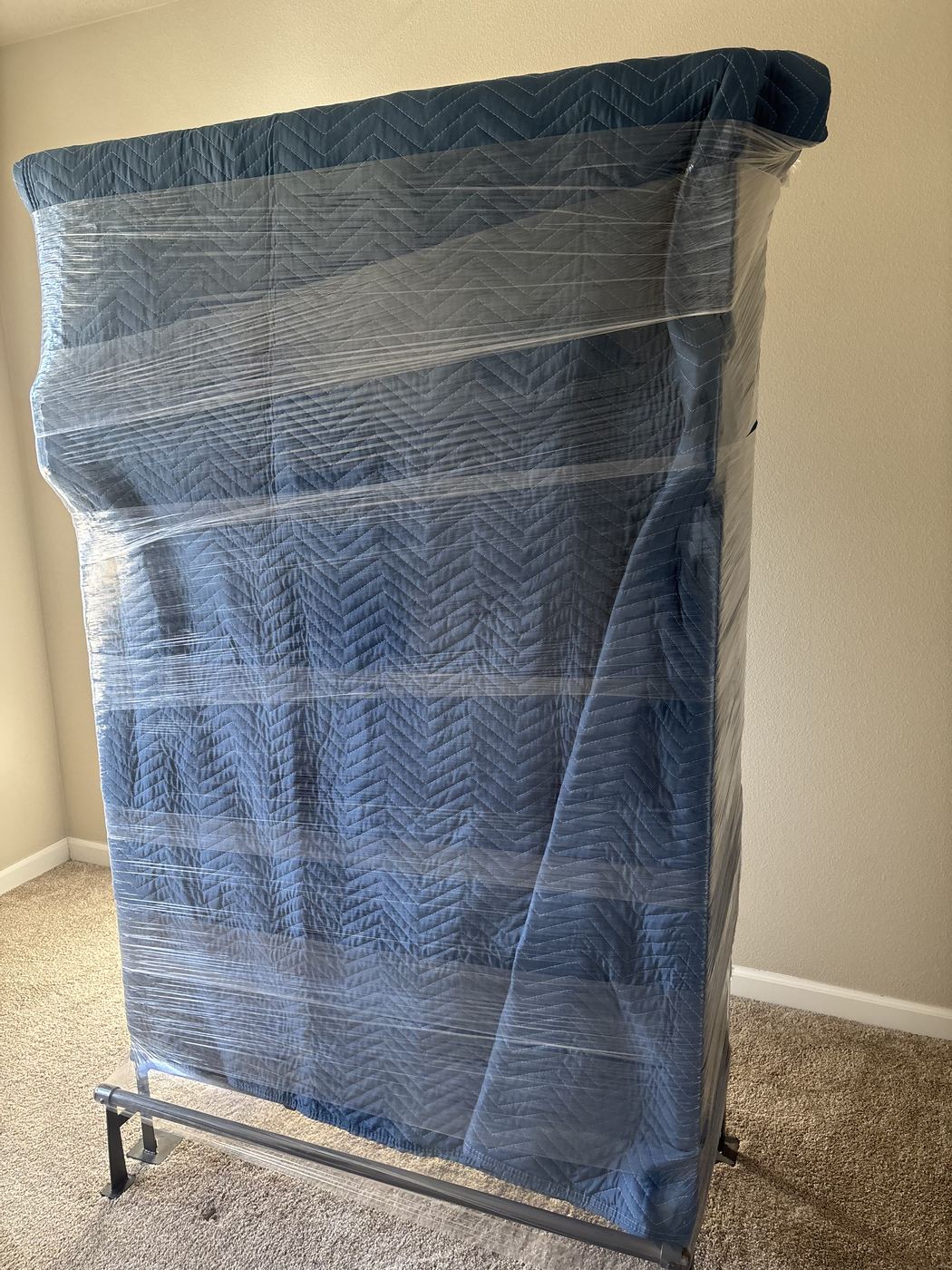
The paperwork in this article only matters after something has gone wrong. How often something goes wrong comes down to how carefully a crew works, and the photo at the top of this page shows what that looks like: a mattress fully wrapped in a moving blanket and sealed with stretch wrap before it ever touches the truck.
Good crews protect items the same way regardless of which valuation option is on the paperwork: furniture blanket-wrapped, corners and finished surfaces padded, loads built tight and strapped so nothing shifts on the road, doorways and floors covered at both addresses. If you are packing boxes yourself, careful materials and honest labeling do the same work at a smaller scale, and professional packing services exist for the items you would rather not gamble on.
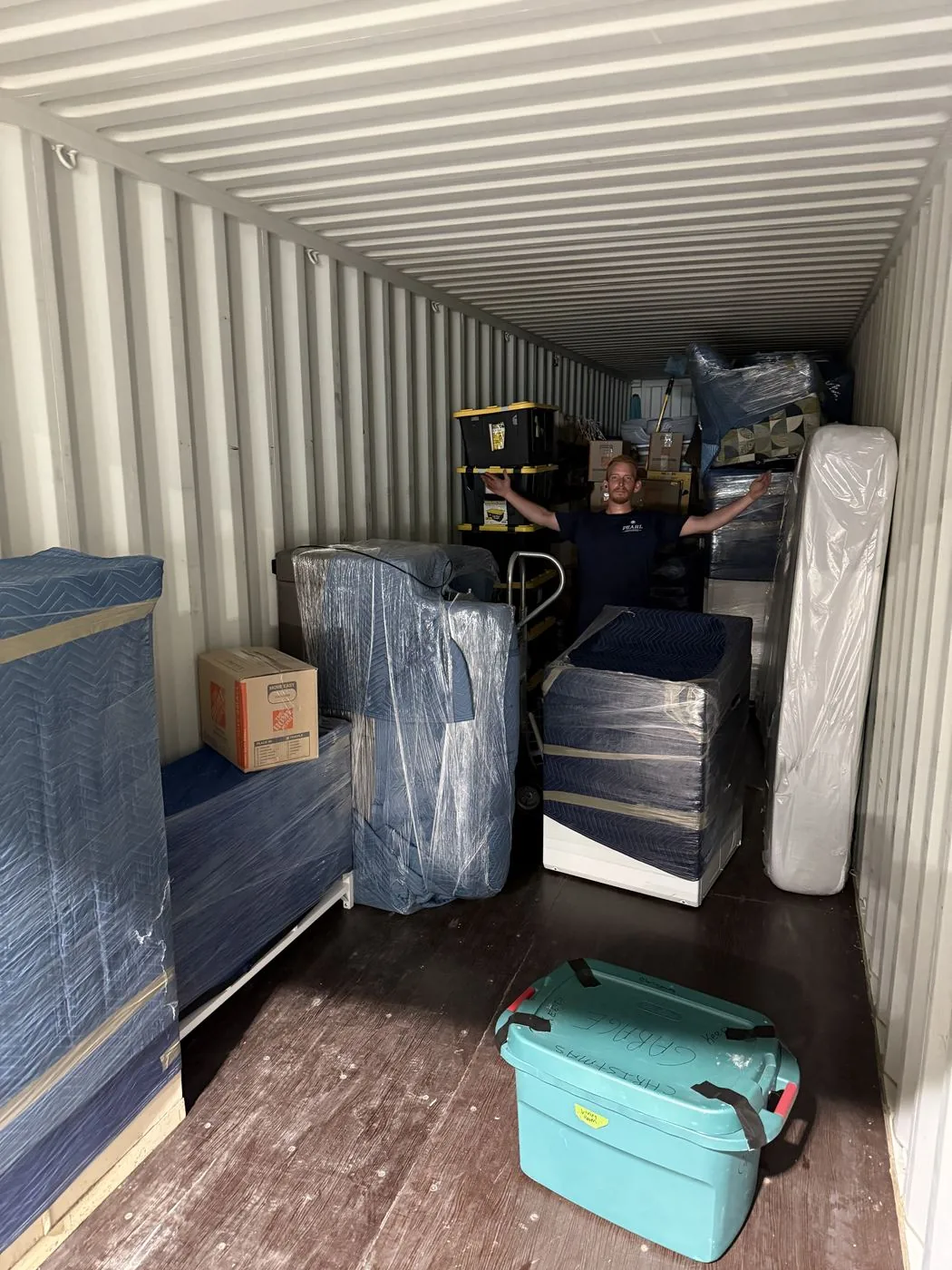
When you evaluate movers, watch for evidence of this craft. Ask how furniture is wrapped, how loads are secured, and what floor and door protection looks like. The answers tell you more about your odds of a smooth delivery than any coverage form does.
Before you book: a seven-item coverage checklist
Coverage questions belong in the booking conversation, alongside the rest of the questions to ask movers before you book and the broader work of choosing a moving company in Portland. Bring this list.
- Ask which valuation options apply to your specific move, interstate or within Oregon, and get the answer in writing.
- Ask what it would cost to choose the fuller option instead of the minimal one, and get that answer written down too.
- Ask whether a deductible applies to the fuller option and what the settlement terms are.
- Ask for the high-value item form and list anything that is valuable relative to its size.
- Ask how long you have to file a claim after delivery and exactly how to file one.
- Photograph the condition of furniture, electronics, and fragile items before packing day, including existing wear.
- Keep every coverage document together with the written estimate and the bill of lading, and do not sign a released value election you have not read.
None of these questions is confrontational. A mover that handles claims professionally will answer all of them without hesitation, and the written answers protect both sides.
Where Pearl Movers fits
Ask for the options in writing, then compare
When you request a quote from Pearl Movers, ask for the company's written coverage options at the same time, along with the terms that apply to your specific move. Send the same request to every mover you are comparing, then read the answers side by side. If a claim ever happens, what governs it is the option you agreed to on paper. If you want help protecting the items themselves, packing services cover the wrapping and boxing side of prevention.
Review local moving information or request a quote and ask for the written coverage options alongside it.
Common questions
Moving coverage FAQs
What is the difference between valuation and moving insurance?
Valuation is the level of liability a mover accepts for loss or damage, and the mover itself handles claims under it. Insurance is a separate policy issued by an insurer and regulated as insurance. FMCSA guidance draws this distinction for interstate moves. Ask which one is being offered and get a written answer.
What does released value actually pay?
On interstate moves, federal FMCSA rules set released value at 60 cents per pound per article. Recovery is based on what an item weighs, not what it is worth, so a light but expensive item recovers very little. Released value applies only when you choose it in writing.
Is full value protection worth it?
That is a decision about your inventory, not about a price. If your household includes items that are valuable relative to their weight, weight-based recovery may leave a large gap. Ask each mover for the written terms of both options, then decide against a list of what you actually own.
Do Oregon moves follow the same coverage rules as interstate moves?
No. Moves that stay within Oregon are regulated by ODOT under state rules, and Oregon movers must give customers the General Information Bulletin, which describes loss and damage provisions. The federal concepts in this article apply to interstate moves. For an in-state move, read the bulletin and keep written confirmation of the option you chose.
How do I document my belongings before a move?
Photograph furniture, electronics, and anything fragile from several angles before packing begins, and capture existing wear so the record is honest. Keep receipts, appraisals, or serial numbers for items that are valuable for their size, and fill out the mover's high-value item form before move day.
Coverage references
Official and authoritative sources used
- FMCSA: What is Valuation and Insurance
- FMCSA Understanding Valuation and Insurance Options brochure
- FMCSA Your Rights and Responsibilities When You Move
- ODOT Household Goods Moving
- ODOT General Information Bulletin
Federal and state rules, forms, and publications can change. Confirm current requirements with FMCSA, ODOT, and the mover's own written materials before move day.