
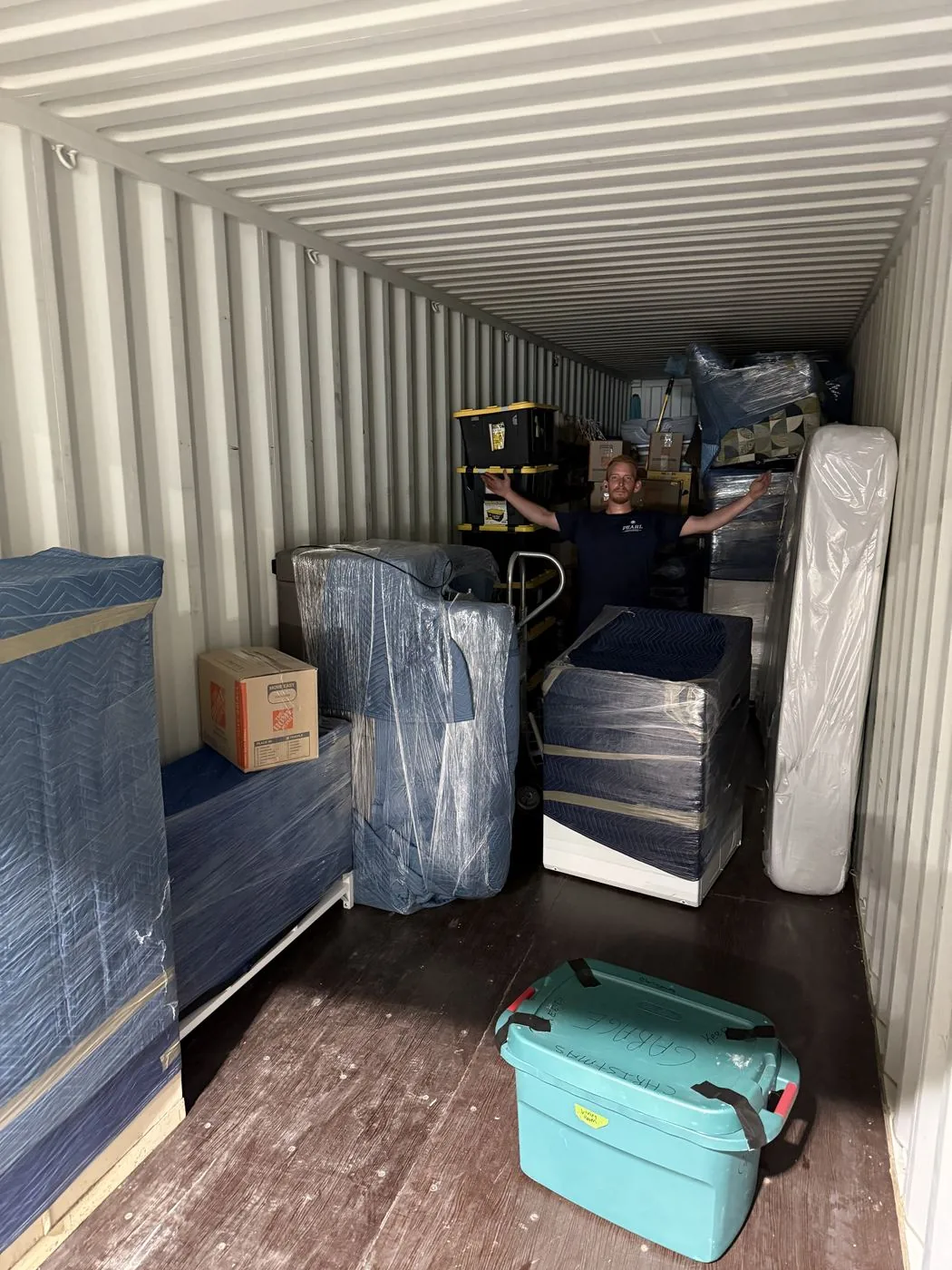
Why rain changes more than the boxes
Rain affects four parts of the job at once:
- Materials: Cardboard loses strength when it absorbs water, labels can smear, and exposed soft goods can hold moisture.
- Surfaces: Entries, ramps, steps, tile, wood, and smooth concrete can become slippery.
- Access: Doors stay open longer, outdoor staging becomes less useful, and long carries expose items and people.
- Decision time: Weather can slow the sequence and reduce the margin for late packing or unclear placement.
The National Weather Service's downtown Portland climate table lists a normal annual precipitation total of 44.07 inches, with much higher normal monthly totals in late fall and winter than in July or August. That makes wet-weather preparation a normal Portland planning task, not an emergency add-on.
Use the complete Portland moving checklist for the full timeline and the best time to move in Portland guide when the date is still flexible.
Build a three-zone wet-weather plan
1. Dry zone
Choose an interior staging area near the exit but outside the door's splash and traffic area. Only closed, labeled, ready-to-load items enter this zone. Keep open boxes, paperwork, electronics, and owner-carried items farther inside.
2. Transfer zone
Map the exact route from the dry zone to the legal truck position. Measure the carry. Note:
- Exterior steps and uneven surfaces.
- Gutters, downspouts, puddle areas, and drainage paths.
- Grass, soil, gravel, or leaves that can transfer onto floors.
- Narrow gates and doors that require items to pause outside.
- Places where stable protective materials can begin and end.
The shorter and clearer this path is, the less time each item spends exposed. If the truck position is uncertain, complete the Portland home moving access audit before setting the sequence.
3. Recovery zone
At the destination, reserve a small area for wet outer materials, used towels, spare labels, dry socks or gloves, cleaning supplies, and the first-night kit. Do not let damp coverings move deeper into the home without a plan.
Pack for water resistance without trapping problems
Rain protection begins inside the package. For moisture-sensitive papers, clothing, linens, and small items, a sealed inner bag or appropriate tote creates a second barrier if the outside of a box gets damp. Keep the inner contents dry before sealing. Do not seal already-damp fabric in plastic for extended storage.
For ordinary cardboard boxes:
- Use boxes in good condition.
- Reinforce the bottom with appropriate packing tape.
- Keep weight reasonable enough for stable carrying.
- Close the top instead of relying on folded flaps.
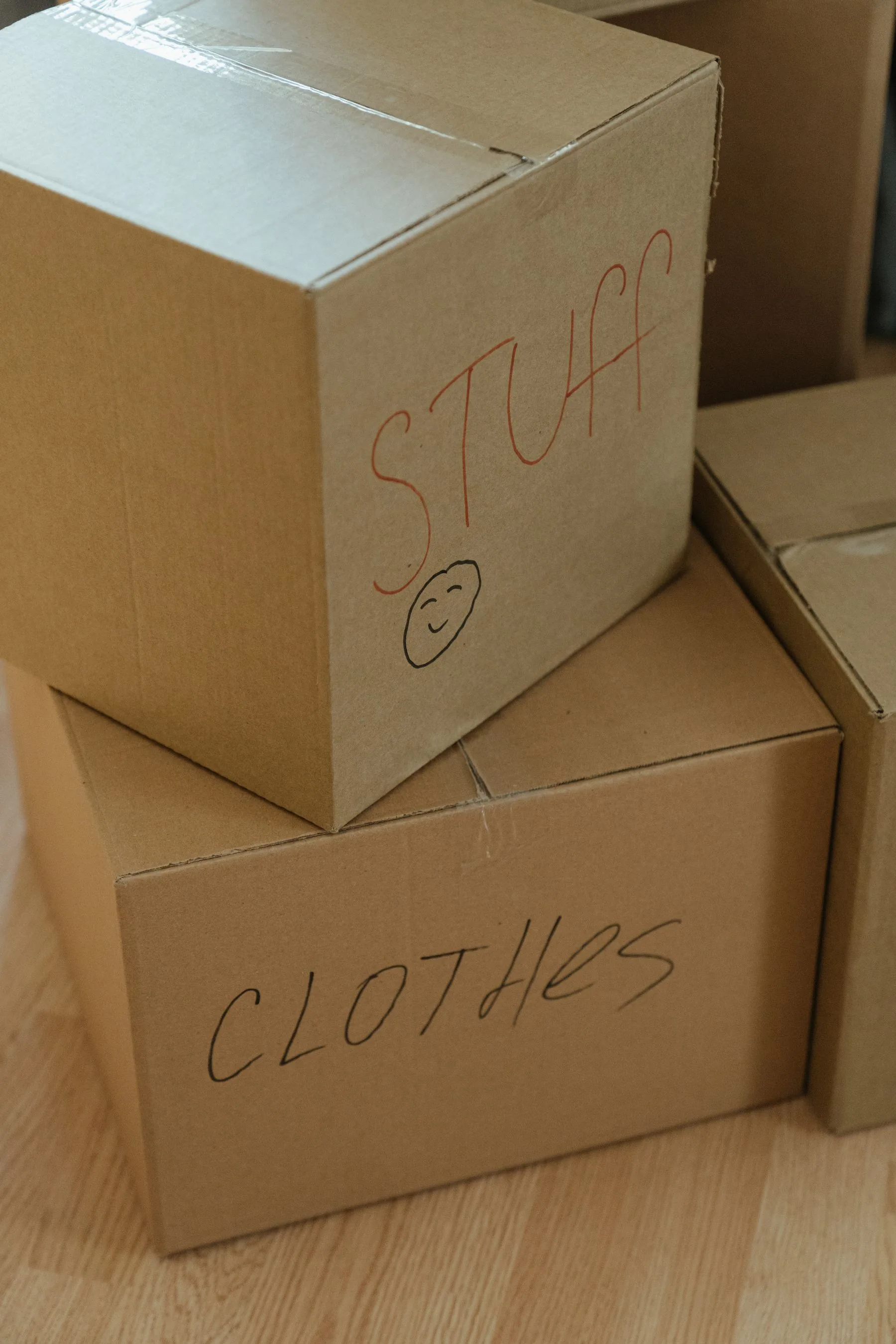
- Put labels on more than one side.
- Use a permanent, water-resistant marker.
- Do not place boxes directly on wet pavement, soil, or grass.
If a box becomes visibly soft or deformed, stop and transfer the contents to a dry container. A collapsing box can damage contents and create a carrying hazard.
Protect floors and entries without creating a slip hazard
Floor protection must stay flat, resist movement, and suit the surface underneath it. Loose plastic sheeting can bunch or slide. Use products intended for the relevant floor type and follow their instructions. Avoid adhesives that can damage finished surfaces.
At each property:
- Sweep or clear the path before covering it.
- Protect the highest-traffic entry and turning points.
- Keep door thresholds visible and stable.
- Place absorbent material where wet footwear first enters.
- Assign someone to replace saturated material and watch for tracked water.
- Keep stairs and handrails usable.
- Remove coverings carefully after the traffic ends.
If a building or association controls common areas, obtain its approved protection rules. Do not install materials in halls or elevators without permission.
Reduce how long the door stays open
An open door brings water, cold air, pets, and access-control problems into the same area. Stage only ready items near the exit. Use one person to control the door when practical. Keep pets and children in a separate closed room or off site.
At the destination, decide room placement before unloading. Searching for a room while an item waits in the rain defeats the transfer-zone plan. Label boxes with the floor and room, such as Upper floor | bedroom 2 | linens.
Check the forecast, but plan beyond rainfall percentage
The weather app's rain icon does not describe every risk. Review:
- Timing and intensity of precipitation.
- Wind and gusts.
- Temperature and the possibility of ice.
- Visibility and daylight.
- Flooding or standing-water reports.
- Road incidents and closures.
- Conditions at both addresses, which may differ.
Use the National Weather Service Portland forecast and ODOT TripCheck close to the move. If conditions create unsafe access, the responsible parties should reassess the timing and sequence. This article cannot set universal cancellation thresholds for every property or crew.
A rainy-move checklist for the final 48 hours
Forty-eight hours before
- Recheck the forecast and access photos.
- Finish loose-item packing.
- Confirm the legal truck position and shortest carrying path.
- Gather stable floor protection, absorbent materials, towels, and spare labels.
- Move moisture-sensitive items into protected inner packaging.
- Confirm pet and child care.
The evening before
- Stage closed boxes in the dry zone.
- Charge phones and lights.
- Keep rain gear and a clothing change accessible.
- Separate medication, documents, electronics, and the first-night kit.
- Confirm keys, gates, parking, and building access.
Before loading
- Walk both the exterior and interior path.
- Remove leaves, clutter, and trip hazards where safe.
- Install approved protection.
- Keep cardboard off the ground.
- Assign the door and surface-monitoring role.
- Tell the team where wet coverings and used towels will go.
What to do after arrival
Do not close the door and ignore damp materials. Complete a short recovery pass:
- Check boxes for soft corners, damaged tape, or moisture.
- Move affected contents to dry containers.
- Hang or spread damp reusable coverings according to their care instructions.
- Dry entries and remove slippery residue.
- Confirm that heating, electricity, and lighting are working.
- Keep walkways clear while the household opens essentials.
The first-night box checklist helps keep towels, clothing, chargers, pet supplies, and basic cleaning items accessible.
Where Pearl Movers fits
Turn the plan into a clear moving request
Pearl Movers can review a Portland-area moving request using the date, route, inventory, access photos, and known weather concerns. Ask what property preparation and item protection the customer must complete and what services are available for the specific request. Do not assume that every weather-protection task or material is included.
Review local moving information or request a quote with photos of the carrying path at both properties.
Common questions
Portland metro moving FAQs
Will movers work in the rain?
Weather alone does not answer whether a specific move can proceed. The company must review the actual conditions, access, inventory, and safety concerns. Ask directly about the scheduled move and contingency process.
Are plastic totes better than cardboard in rain?
Totes can provide stronger exterior moisture resistance for selected contents, but they still need secure lids, reasonable weight, and dry contents. Cardboard can work when it is closed, kept off wet ground, and moved through a protected path.
How do I protect wood floors during a rainy move?
Use products intended for the specific floor that stay flat and provide traction. Follow manufacturer and property instructions. Monitor the entry for tracked water and replace saturated absorbent material.
What should never be left outside in the rain?
Keep documents, medication, electronics, unprotected soft goods, open boxes, owner-carried valuables, and any item with special care requirements inside a dry controlled area.
Should I cancel a move because rain is forecast?
A rain forecast does not automatically require cancellation. Wind, ice, flooding, visibility, unsafe surfaces, and site-specific conditions may change the decision. Review the real conditions with the mover and property contacts.
Local planning references
Official and authoritative sources used
- National Weather Service Portland climate book
- Downtown Portland monthly precipitation table
- National Weather Service Portland office
- ODOT TripCheck
Permit, parking, construction, and access rules can change. Confirm current requirements with the responsible city, county, property manager, association, or service provider before move day.