
How to compare the two options fairly
A moving company owner writing this comparison has an obvious interest, so let me state the standard up front: if the honest answer for your move is a rental truck, this article should say so. It does, in a section below.
The comparison goes wrong when it stops at two numbers. A rental rate prices a vehicle, while a moving quote prices a completed move, so putting them side by side without adjustment is like comparing the price of lumber to the price of a finished deck.
A fair comparison prices the whole job both ways. On the rental side, that means the truck plus everything else the move consumes: fuel, equipment, materials, food for helpers, and a realistic count of your own hours from pickup to return. On the crew side, it means an accurate quote built from your real inventory and access conditions. For the address updates needed whichever option you choose, use USA.gov's address-change guide. With both totals written down, the decision is usually easier than it looked.
What the rental rate does not include
The advertised daily rate is only where the total starts. Before comparing it to anything, add the costs that show up on nearly every DIY move:
- Fuel, because box trucks are thirsty and you refill before returning.
- Mileage terms. Read how the agreement charges for distance, since the structure varies and can change the math on anything beyond a short hop.
- Damage waivers and coverage options. Declining them shifts risk to you, accepting them raises the real rate, and either way the choice belongs in the total.
- Equipment like dollies, furniture pads, and straps, which are usually add-ons. The number of pads that comes standard is rarely enough for a full household.
- Packing materials. Boxes, tape, paper, and mattress bags for a whole home add up faster than most people expect.
- Food and thanks for your helpers, the cheapest line on this list but a real cost all the same.
- Your own hours, from pickup through loading, driving, unloading, cleaning, and the return. Count them and multiply by what your time is worth.
- The second trip. Households routinely underestimate their volume, and a truck one size too small means another loop across town with more fuel, more miles, and more hours.
None of this means renting is a bad deal. It means the daily rate only prices the truck, and what you are trying to price is the whole move.
The labor is the product
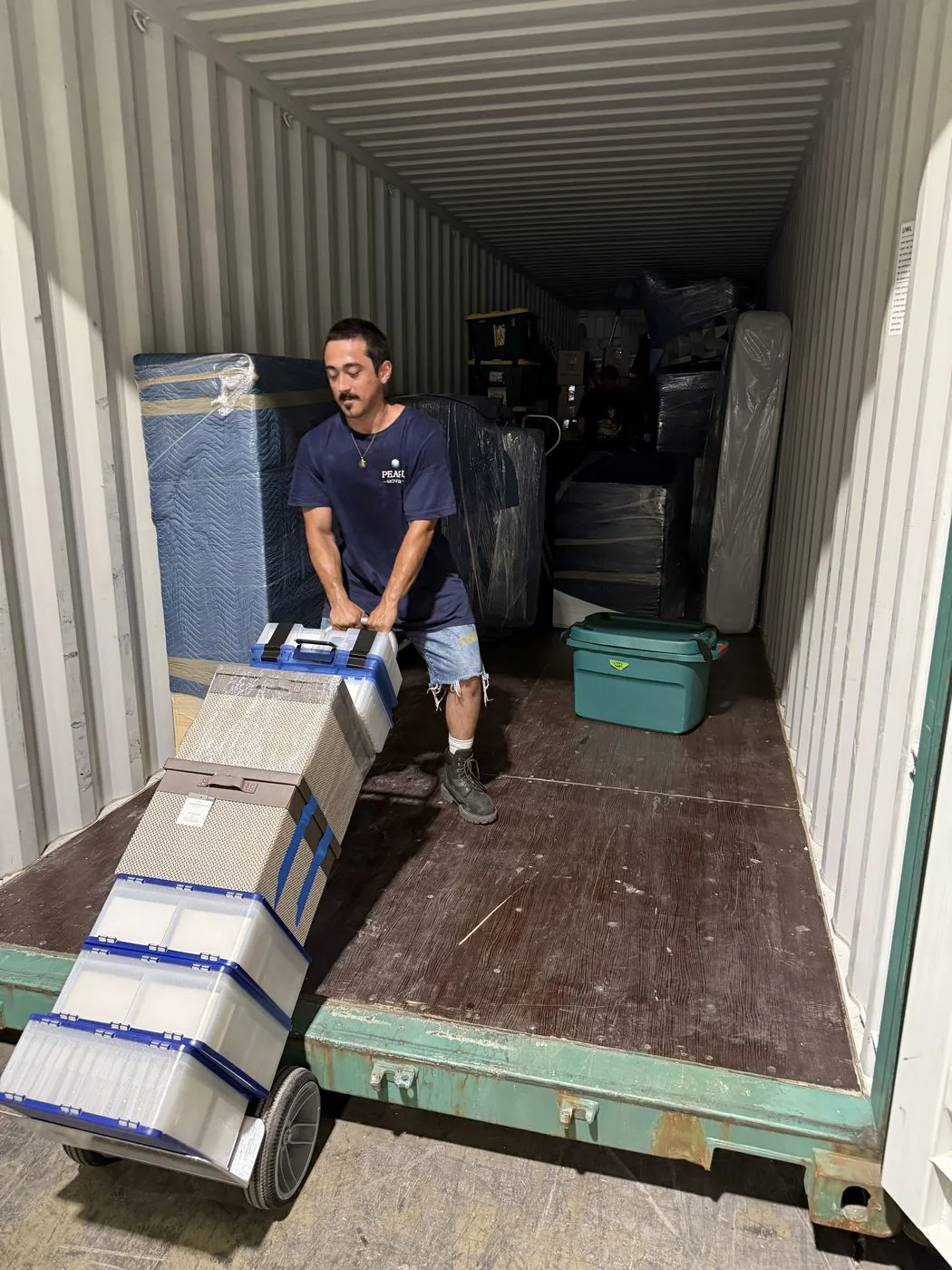
Most of a crew quote pays for people rather than the vehicle, and it shows in how the day runs. An experienced two or three person crew moves a household differently than a group of friends. They load in a deliberate order so the heaviest items sit low and against the walls, weight is distributed across the axles, and nothing shifts on the first hard stop. They pad and wrap furniture before it moves. They know how to walk a dresser through a tight stairwell turn without touching the drywall, and how to angle a couch that looks like it cannot possibly fit through the door.
There is also no learning curve happening on your belongings. The first time most DIY movers use a truck ramp is with a loaded dolly on move day, sometimes in the rain. The crew did the same ramp last week and the week before, and all that repetition is why a practiced crew manages to be faster and gentler at the same time, which protects both the schedule and the furniture.
That practiced labor is what a quote prices. Pearl Movers describes how a local crew runs a move day on the local moving page.
Portland-specific risks for a DIY move
The generic movers-or-rental comparison misses the conditions this city adds on top.
Rain is the big one for most of the cool season. Portland's wet months soak cardboard until the bottoms give out, and they make exterior stair treads, ramps, and hardwood entries slick exactly where people carry heavy loads. The National Weather Service Portland office publishes the forecast worth checking before you commit a specific day, and our guide to moving during Portland rain covers how to plan around it either way.
Then there are the grades in the West Hills. Streets around Washington Park and the Southwest Hills combine steep pitch, blind curves, and limited turnaround room, and a tall, loaded rental truck with an unfamiliar braking feel is a hard place to learn hill starts. For longer drives, check conditions on ODOT's TripCheck before leaving.
Older neighborhoods add tight streets. Ladd's Addition's diagonal grid and the narrow, parked-up blocks of Irvington leave little margin for a wide vehicle, and mirrors, parked cars, and street trees all sit closer than they do in the suburbs.
Downtown, the problem is parking. Finding legal space for a truck near a central-city building takes real planning, and if the move needs reserved curb space, that runs through PBOT's Temporary Street Use Permitting process whether the truck is rented or professional. Our parking permit guide walks through the lead times and sign rules.

When renting a truck genuinely wins
Renting is often the right call when most of these are true:
- The move is a studio or one bedroom with modest furniture.
- Both addresses have ground-floor access, or an elevator with no long carry.
- The timeline is flexible, so a rough day can simply become two days.
- The distance between addresses is short.
- You have two or more strong helpers you can rely on.
- The furniture is sturdy and low value, the kind you would shrug about scratching.
A move like that amounts to a long afternoon. Paying a full crew for it can mean spending real money on a problem you did not have, and a fair comparison should say so.
There is also a middle path worth pricing. Some households pack everything themselves, box by box, and bring in a crew for the loading, transport, and unloading. You keep control of your own belongings and cut the labor hours you pay for, while the heaviest and most breakable part of the day goes to people who do it constantly. Our packing services page explains the packing side of the spectrum; ask what configurations are available for your specific move rather than assuming a particular split is offered.
When a crew is the cheaper mistake to avoid
The rental stops being a bargain when the move carries risks that a lower rate cannot absorb.
Large homes are the clearest case. Three bedrooms and up means a volume most first-timers misjudge and a truck size most have never driven, and how well that load gets packed decides whether everything arrives intact.
Hard deadlines matter just as much. A closing date, a lease end, or a tenant moving in behind you leaves no room for the DIY day that runs long, and when the schedule has no slack the predictability of a crew is worth more than the rate difference.
Heavy or awkward pieces raise the stakes further. Pianos, safes, solid wood dressers, appliances, and sleeper sofas are where DIY moves produce injuries and cracked stair landings, and a single emergency room visit can wipe out whatever the rental saved.
Long carries and stairs compound all of it. A third-floor walkup or a hundred-foot path from door to curb multiplies every trip, and tired carriers drop things, usually earlier in the day than volunteers expect.
The same caution applies to anything you cannot afford to damage. Heirlooms, instruments, art, and new floors at the destination all argue for practiced hands, padding, and a properly loaded truck.
If two or more of these describe your move, get a real quote before defaulting to the rental counter. The gap is often smaller than assumed once the full DIY total is on paper.
A ten-minute decision checklist
Answer these seven questions and the choice usually becomes obvious:
- Will everything fit in one truckload, based on a room-by-room count?
- Is there ground-floor or elevator access at both addresses, with a short path to where the truck can legally park?
- Do you have at least two strong, reliable helpers confirmed for the whole day?
- Could the move slip a day without breaking a closing, a lease, or a work schedule?
- Is every piece something you could replace or repair without real regret?
- Are you comfortable driving a tall, loaded truck on your specific route, in the weather that week?
- After adding fuel, mileage, coverage, equipment, materials, and your hours to the rental rate, is the total still clearly below a written quote?
Seven yes answers point to the rental. Two or more no answers, especially on access, deadlines, or driving, tilt the decision toward a crew. Anything in between is worth pricing both ways before you decide.
Where Pearl Movers fits
Run both numbers, then decide.
The crew side of this comparison deserves a real figure. Send both addresses, the preferred date, a room-by-room inventory, and the access details, and Pearl Movers can put an actual quote next to your rental math. If the rental still wins for your move, that is a perfectly good result.
Review local moving and packing services to see what the crew side includes, or request a quote with your inventory attached.
Common questions
Movers vs rental truck FAQs
Is it cheaper to rent a truck than hire movers?
Often yes, on the sticker. The rental rate is usually lower than a crew quote for the same day. The gap narrows once you count fuel, mileage terms, damage waivers, equipment, packing materials, your own hours, and the cost of anything that breaks. Some moves still come out ahead on the rental after all of that, and others quietly end up costing more than the crew would have.
Can I rent a truck and hire movers just for loading?
Some households pack every box themselves and then bring in a crew for the loading, transport, and unloading. That hybrid keeps you in control of your own belongings while handing off the heaviest and riskiest work. Ask Pearl Movers what configurations are available for your specific move rather than assuming a particular arrangement is offered.
How hard is driving a rental moving truck in Portland?
Harder than most first-time drivers expect. A tall box truck sits higher, brakes slower, and turns wider than anything most people have driven. Portland adds narrow residential streets, bridge approaches, steep grades in the West Hills, and wet pavement for much of the year. Check current road conditions before a longer drive and allow more time than the map estimate suggests.
What do I risk moving furniture myself?
The common losses are damaged furniture, gouged walls and door frames, strained backs and knees, and a day that runs far longer than planned. None of those appear in the rental rate, and some of them cost more than the difference between renting and hiring.
Do I need a permit to park a rental truck in Portland?
The same process applies to any moving truck, rented or professional. If the move needs reserved on-street space, Portland handles that through PBOT's Temporary Street Use Permitting program, which requires lead time and has its own sign rules. Verify current requirements with PBOT for the exact address before choosing a move date.
Local planning references
Official and authoritative sources used
- ODOT TripCheck road conditions
- National Weather Service Portland
- PBOT Temporary Street Use Permitting
- USA.gov address-change guidance
Permit, parking, construction, and access rules can change. Confirm current requirements with the responsible city, county, property manager, association, or service provider before move day.